We are engineering specialists and proud to offer an excellent range of trade-specific courses across different industries.
Engineering is a major sector in the UK, employing 18% of the workforce. High-quality training is crucial to meet the demand for skilled professionals.
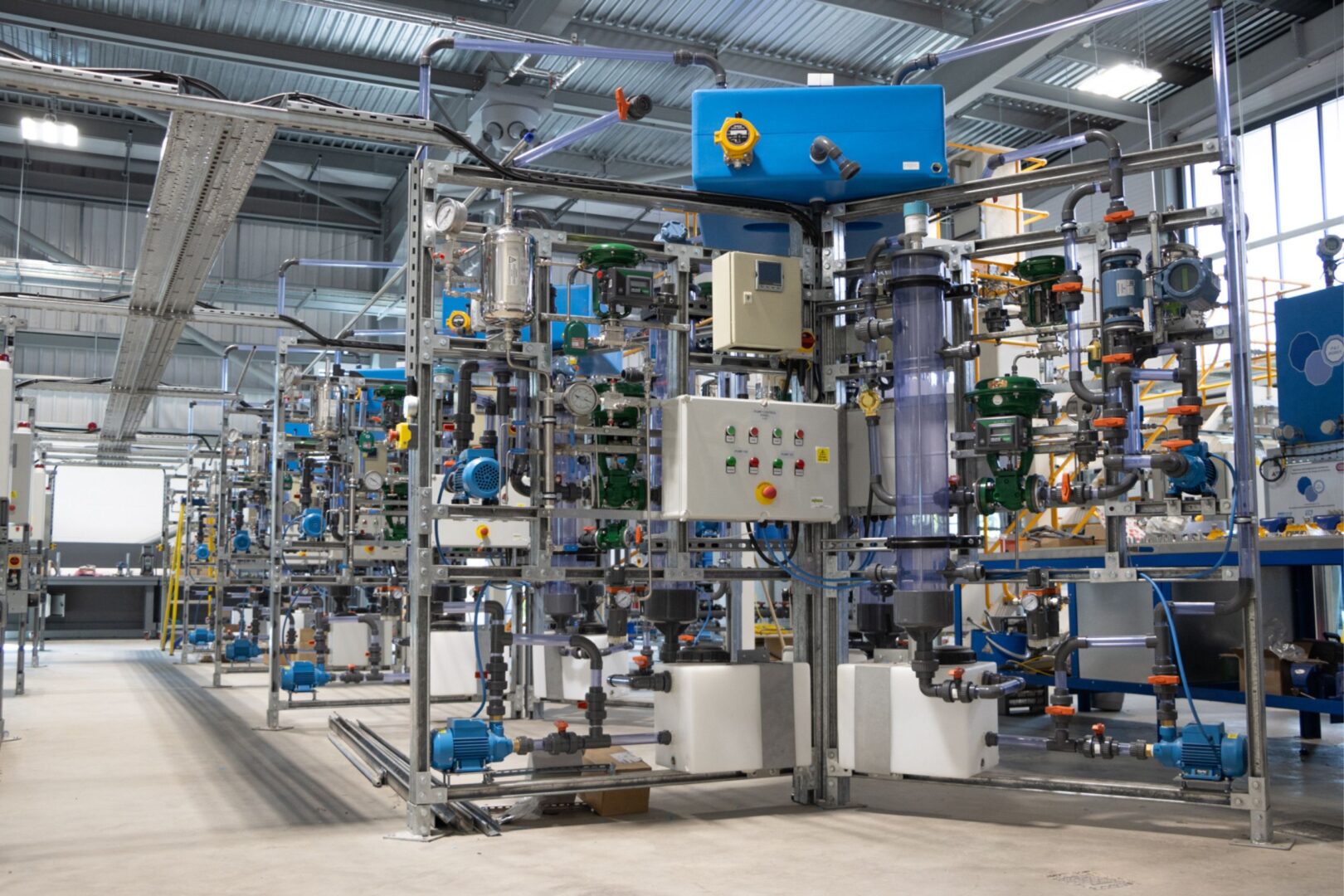
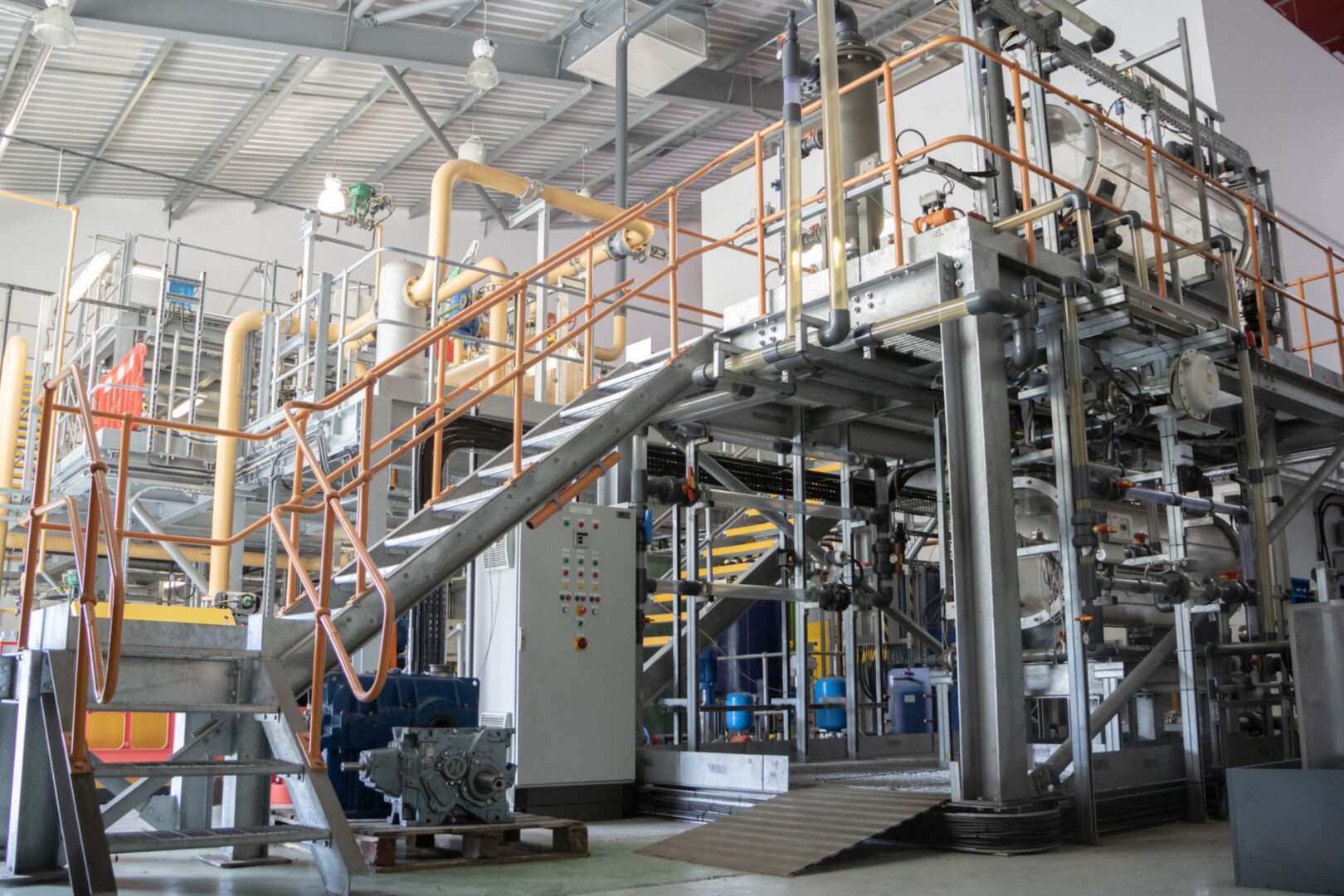
We provide top-tier technical education, equipping learners with essential skills. Our facilities include a three-phase separator, CAD/CAM suite, and advanced manufacturing centre.
Learners also gain employability skills in health and safety, permits to work, risk assessments, working at heights, and confined spaces. We offer true industry experience, ensuring job readiness upon graduation.
Engineering Pathways Explained
Electrical Engineering
Electrical engineering is about working with electricity and technology.
Electrical engineers help design and build things like phones, computers, robots, and even systems that bring electricity to your home. They also work on solar panels, electric cars, and Wi-Fi.
Careers in this field are diverse and in demand, spanning industries like tech, energy, space, and telecommunications. It’s a great choice if you want to help shape the future of technology and make a real impact on the world.
For Electrical Engineering, Instrumentation and Control Engineering, and Renewable Energy courses, you must submit your application before 25th January 2027 to be considered as part of the main application process for TTE.
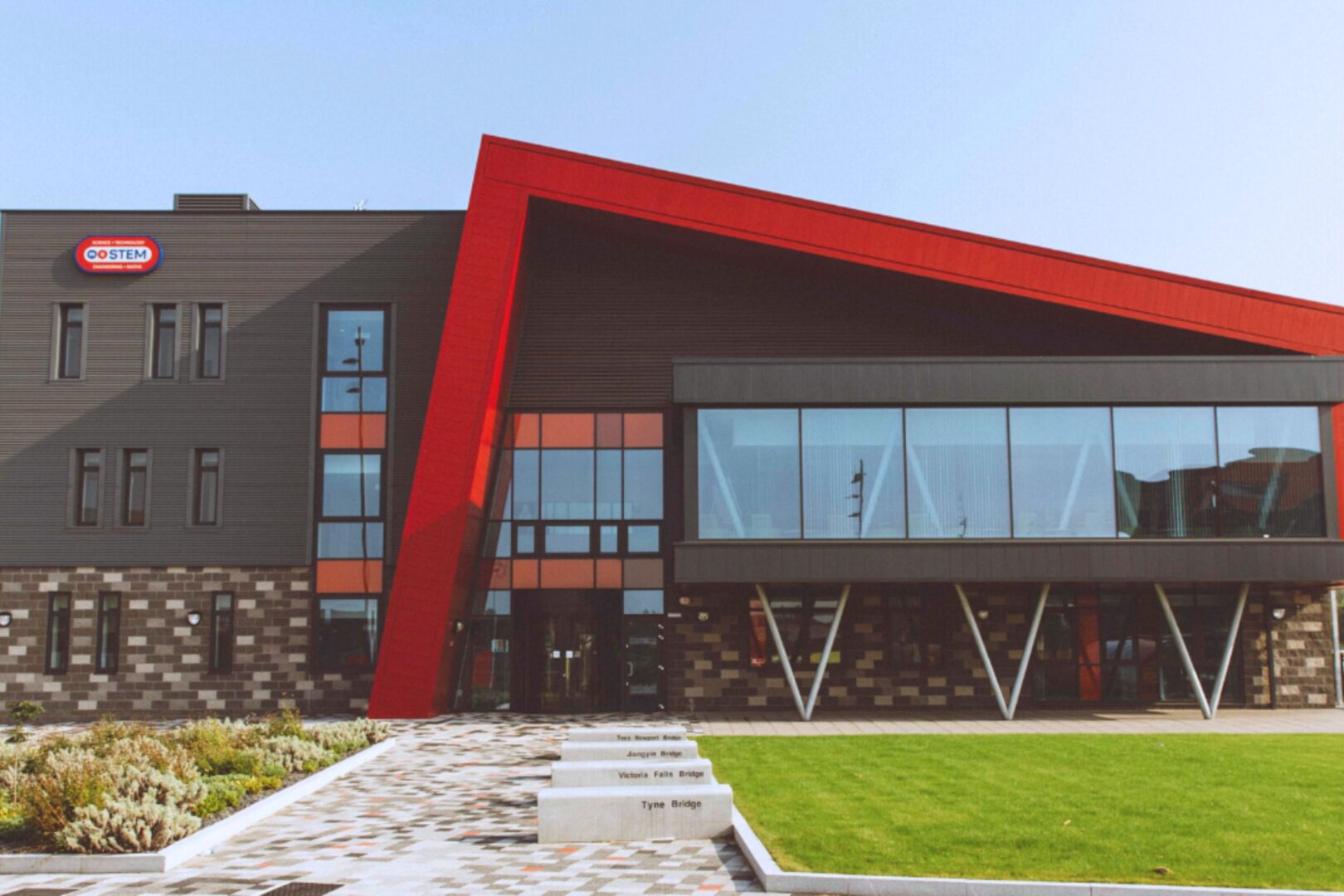
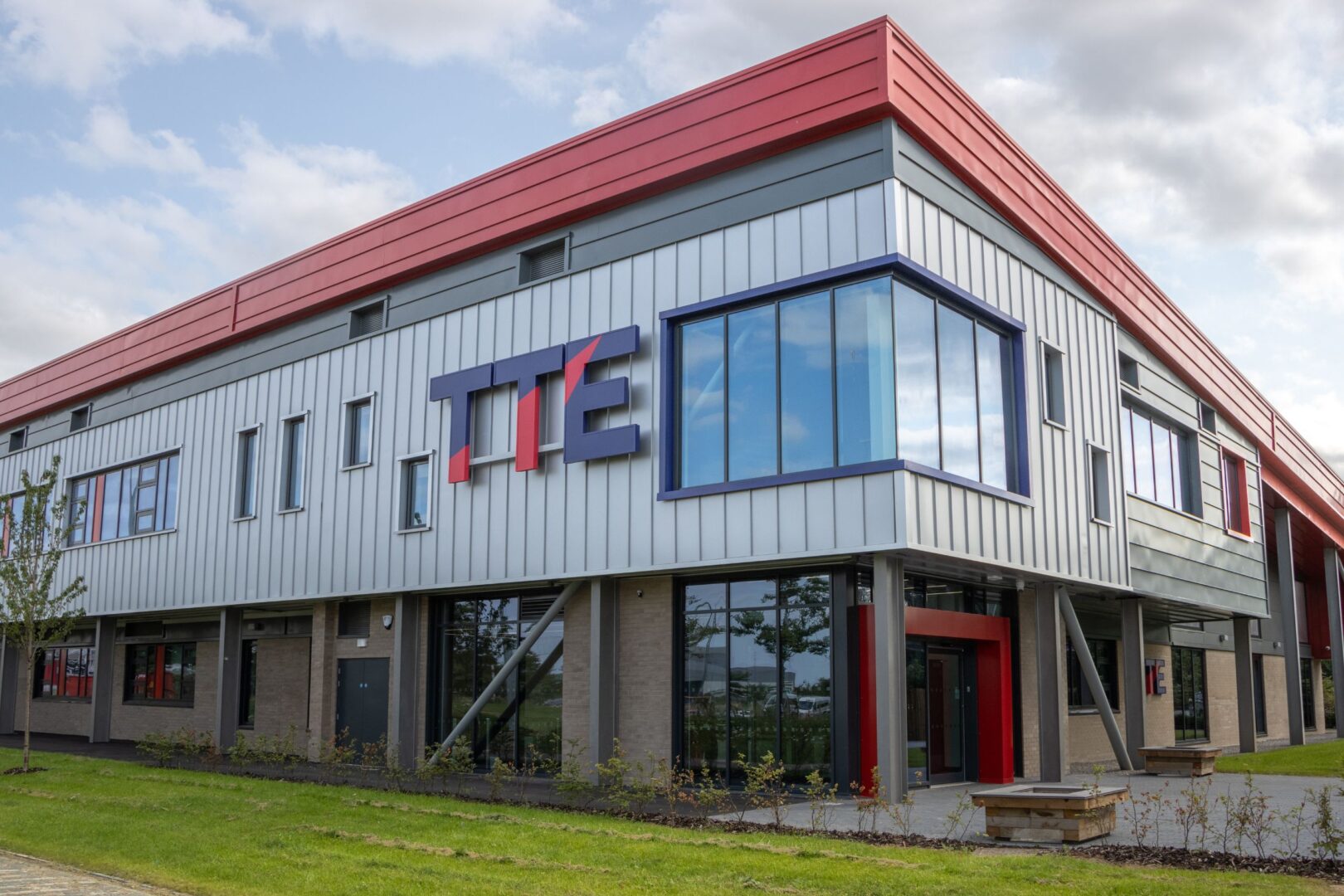
Train for the future in the TTE Training Centres
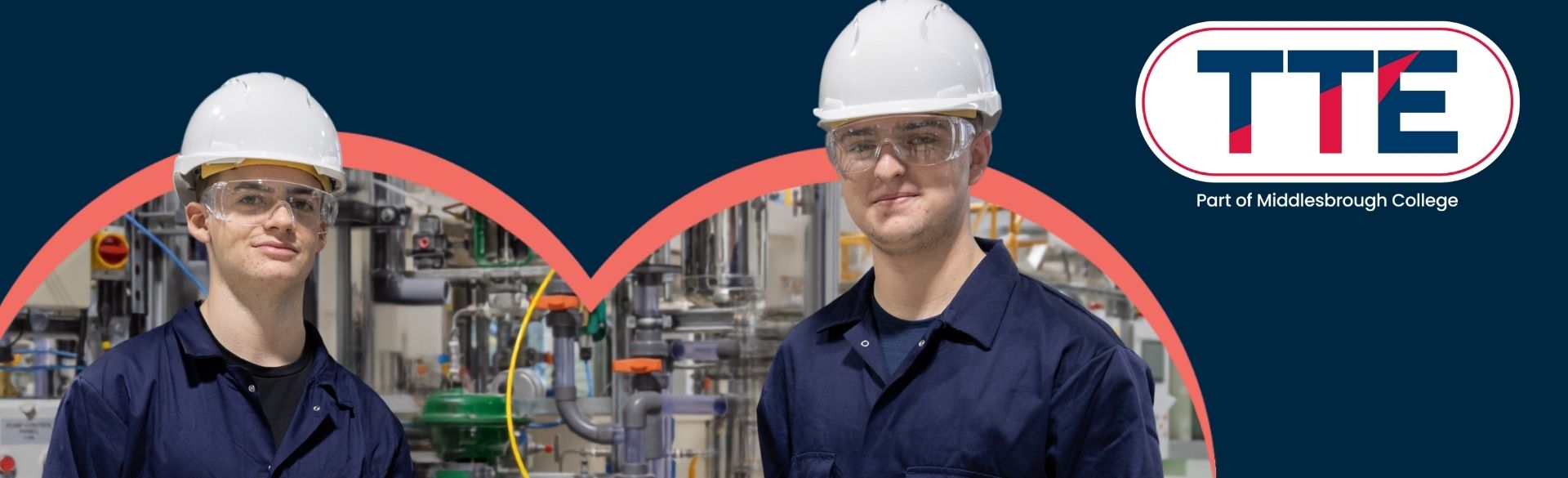
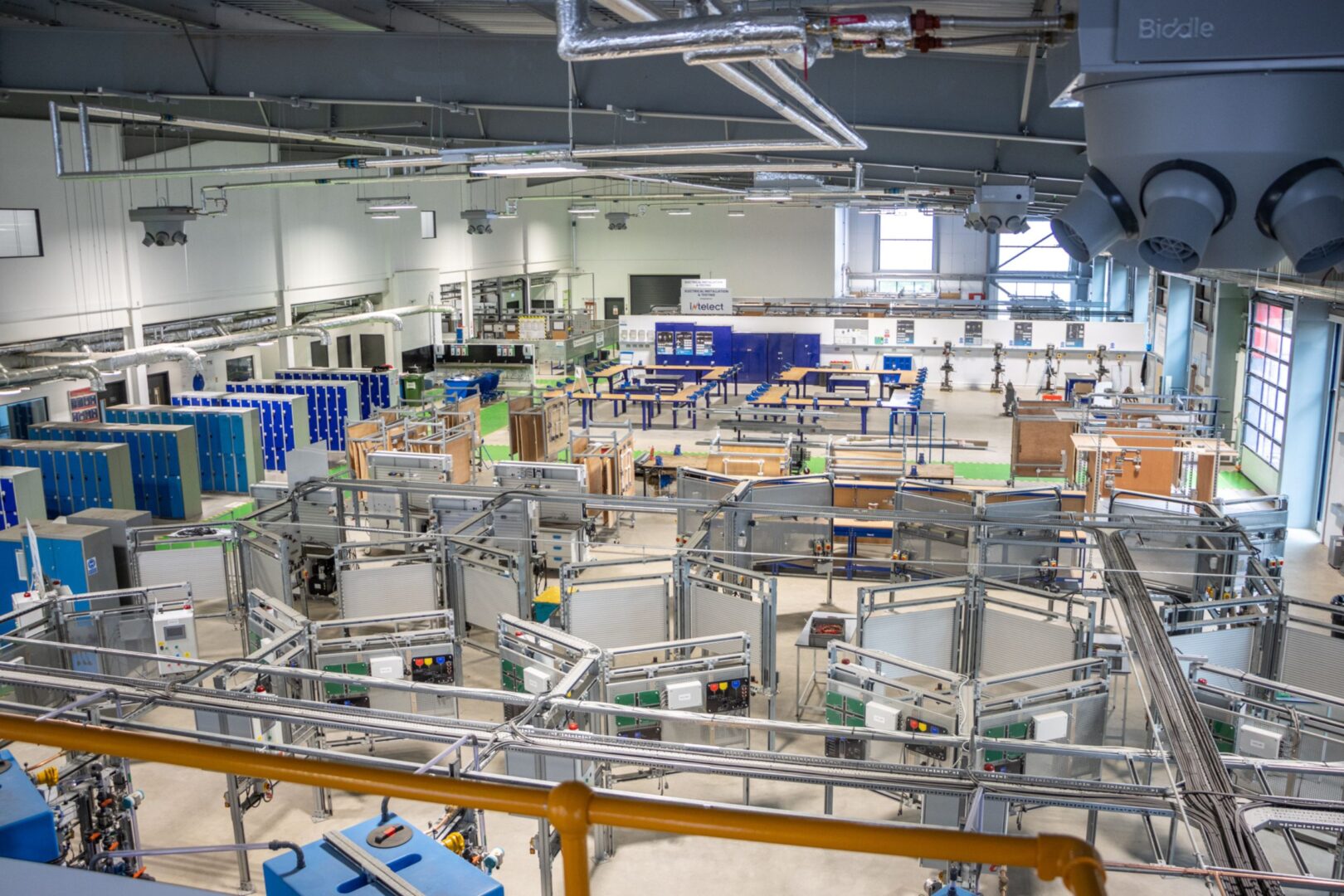
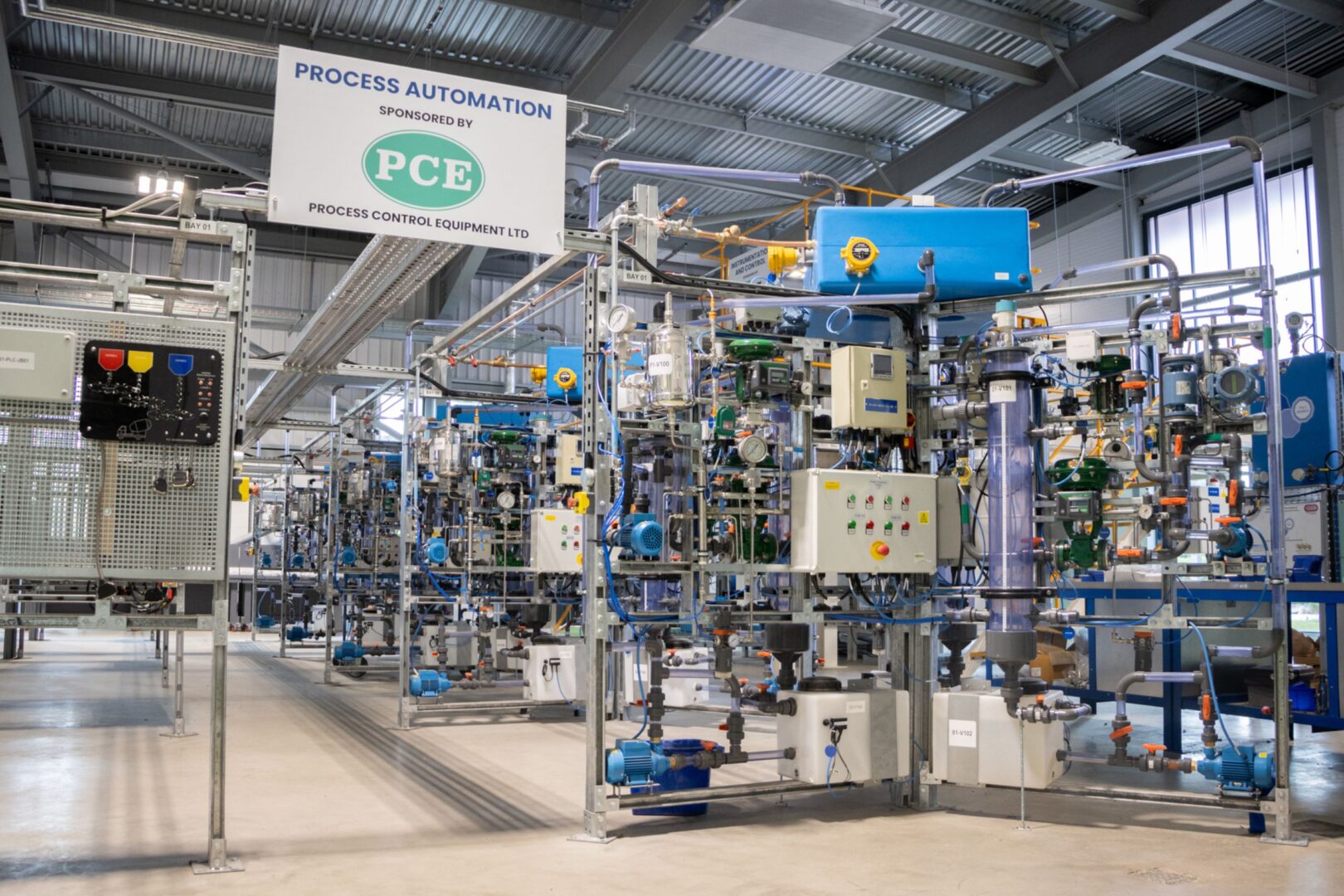
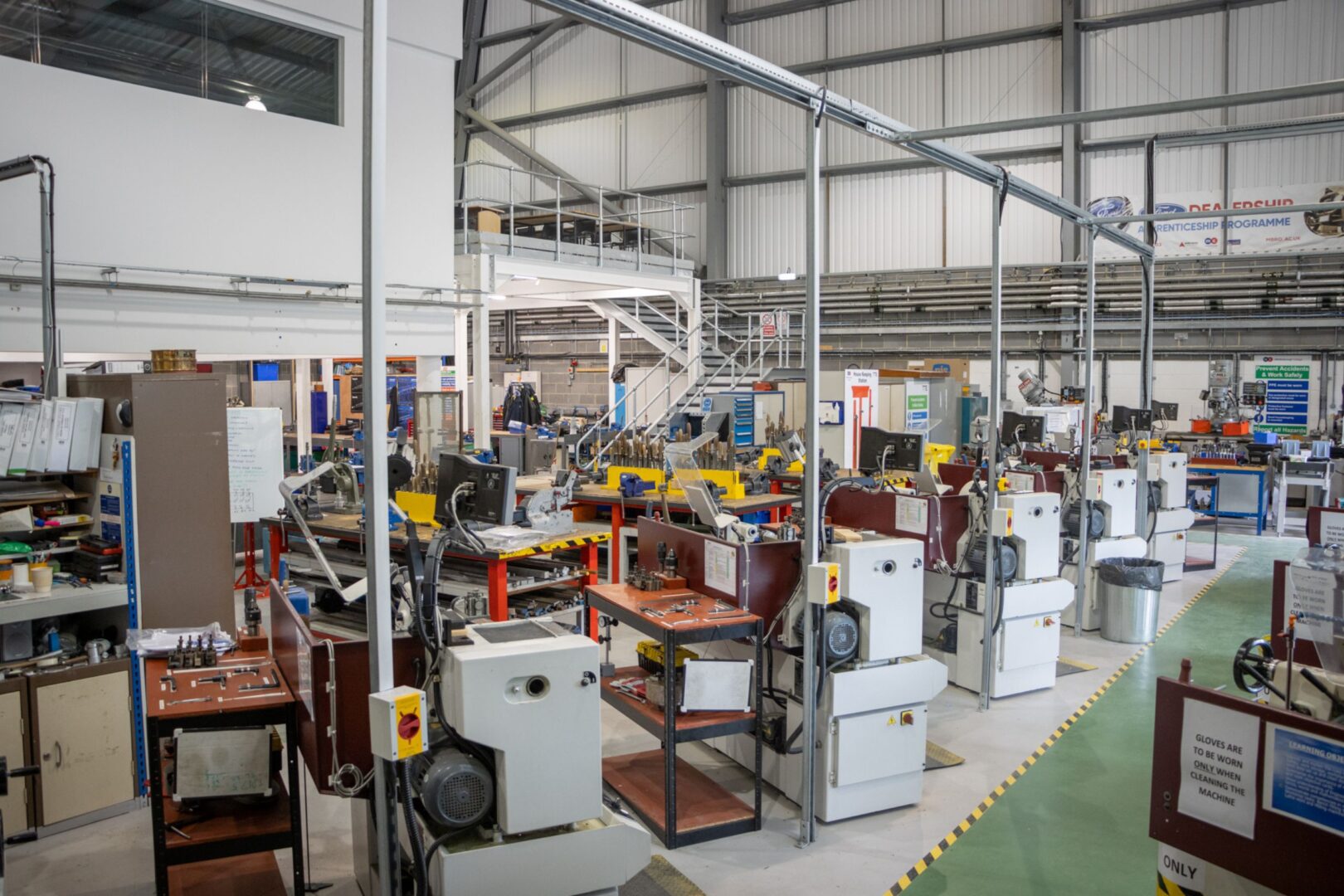
These state-of-the-art facilities offer hands-on experience in a simulated industrial environment, preparing you for real-world careers in engineering and beyond.
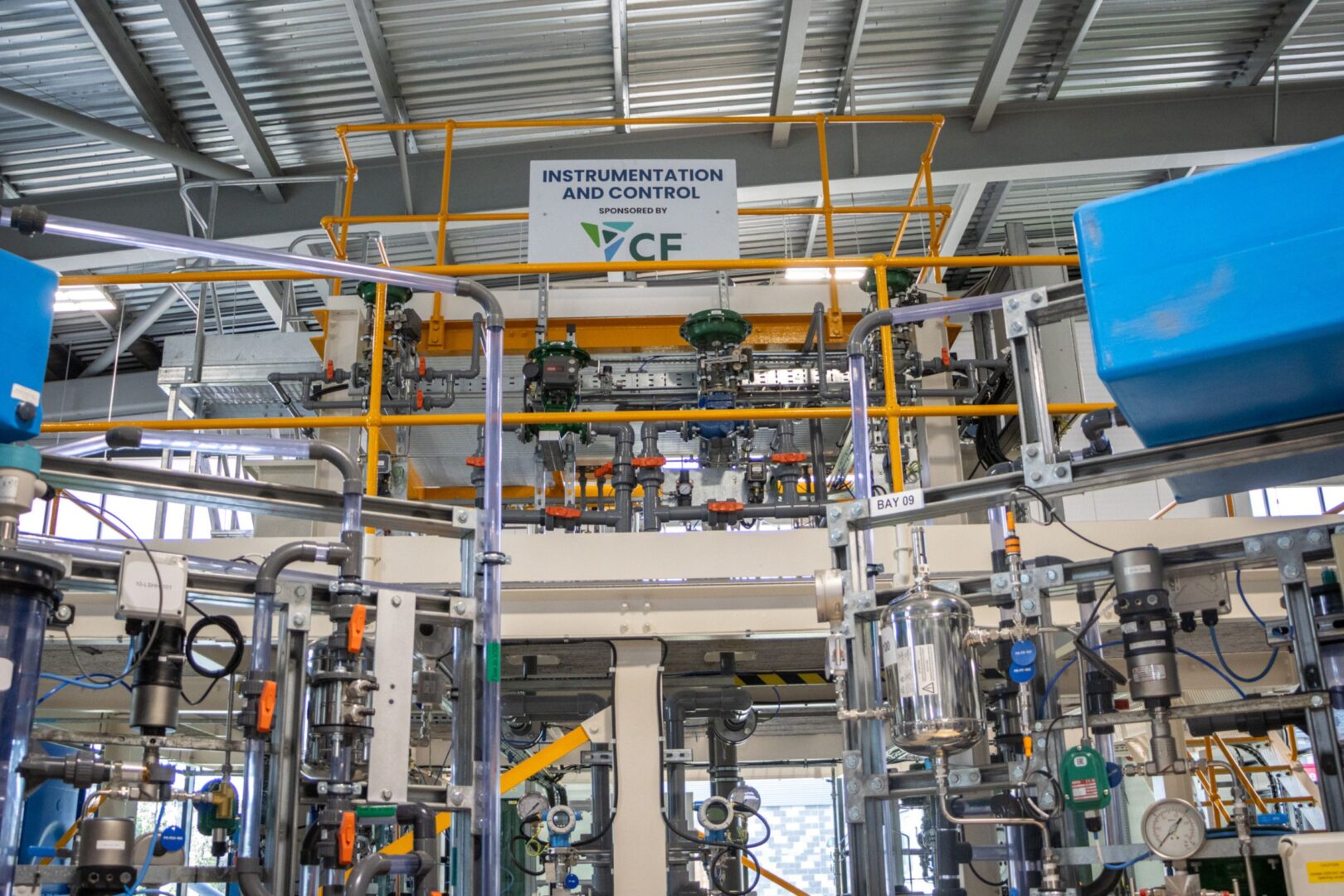
You’ll develop technical and employability skills using industry-standard equipment, supported by expert tutors and employer partnerships. Courses cover electrical, electronic, mechanical, design, instrumentation, and manufacturing engineering.
The centre features:
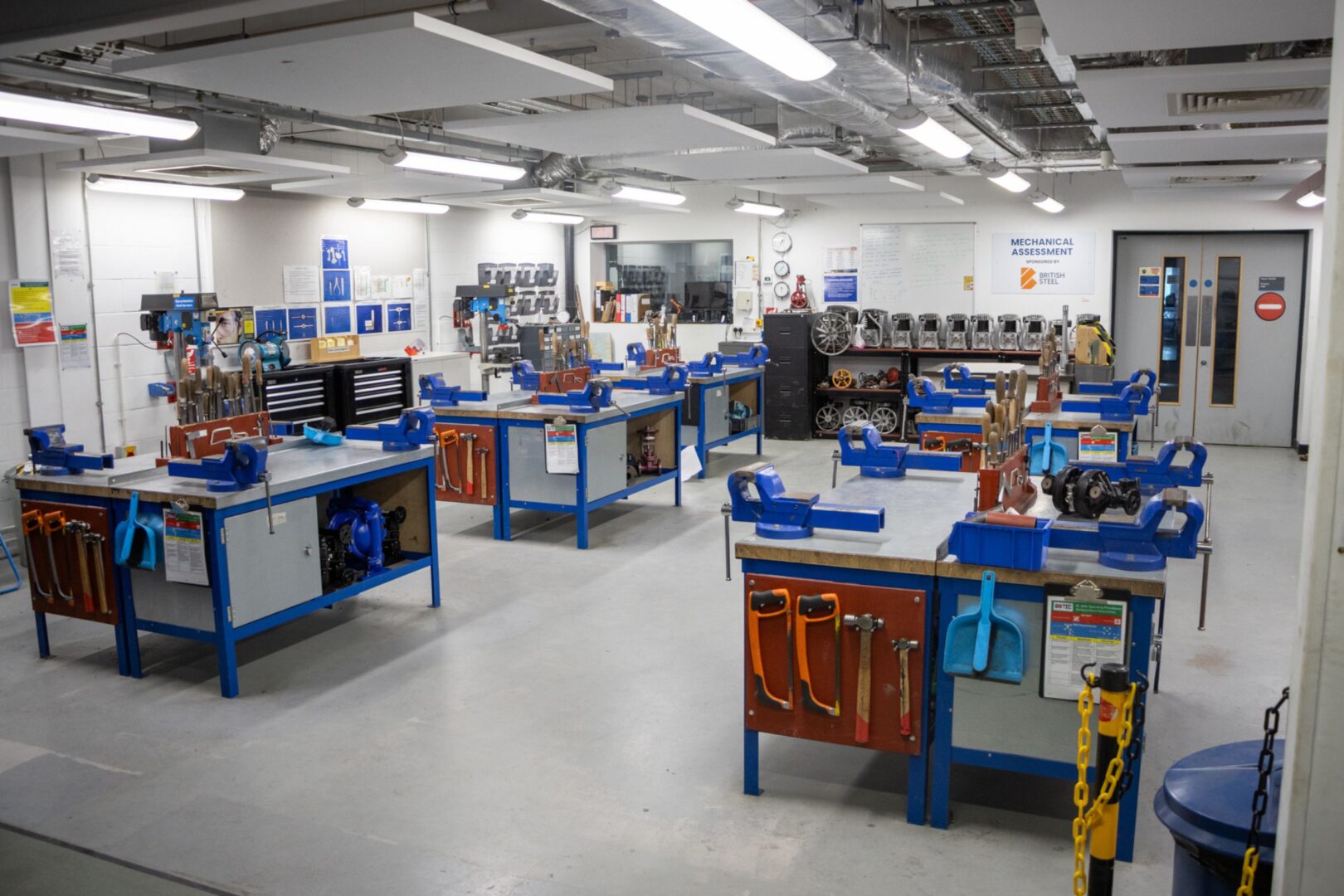
- 7 large multi-discipline workshops (Instrumentation, Electrical, Mechanical, Process, and Net Zero tech)
- 7 breakout classrooms and study spaces
- Conference and staff rooms
- Student social and welfare areas
- A sustainable design with a solar roof and easy access to campus facilities
Our Engineering courses
Access to Higher Education Diploma (Engineering) – Level 3
Engineering with TTE
Adult Learner
|
1 year
AIM Qualifications and Assessment Group
|
Age Group(19+)
Award in Inspection and Testing
Engineering with TTE
Adult Learner
|
5 days
City & Guilds
|
Age Group(19+)
Bearings, Bushes and Lubrication
TTE Industry Training
Adult Learner
|
5 days
TTE
BEng (Hons) Engineering (Electrical/Electronic) (Top-up) – Full Time – Level 6
Engineering with TTE
Higher Education
|
1 year
The Open University
BEng (Hons) Engineering (Electrical/Electronic) (Top-up) – Part Time – Level 6
Engineering with TTE
Higher Education
|
2 years
The Open University
BEng (Hons) Engineering (Mechanical) (Top-up) – Full Time – Level 6
Engineering with TTE
Higher Education
|
1 year
The Open University
BEng (Hons) Engineering (Mechanical) (Top-up) – Part Time – Level 6
Engineering with TTE
Higher Education
|
2 years
The Open University
BEng (Hons) Engineering (Operations) (Top-up) – Full Time – Level 6
Engineering with TTE
Higher Education
|
1 year
The Open University
BEng (Hons) Engineering (Operations) (Top-up) – Part Time – Level 6
Engineering with TTE
Higher Education
|
2 years
The Open University
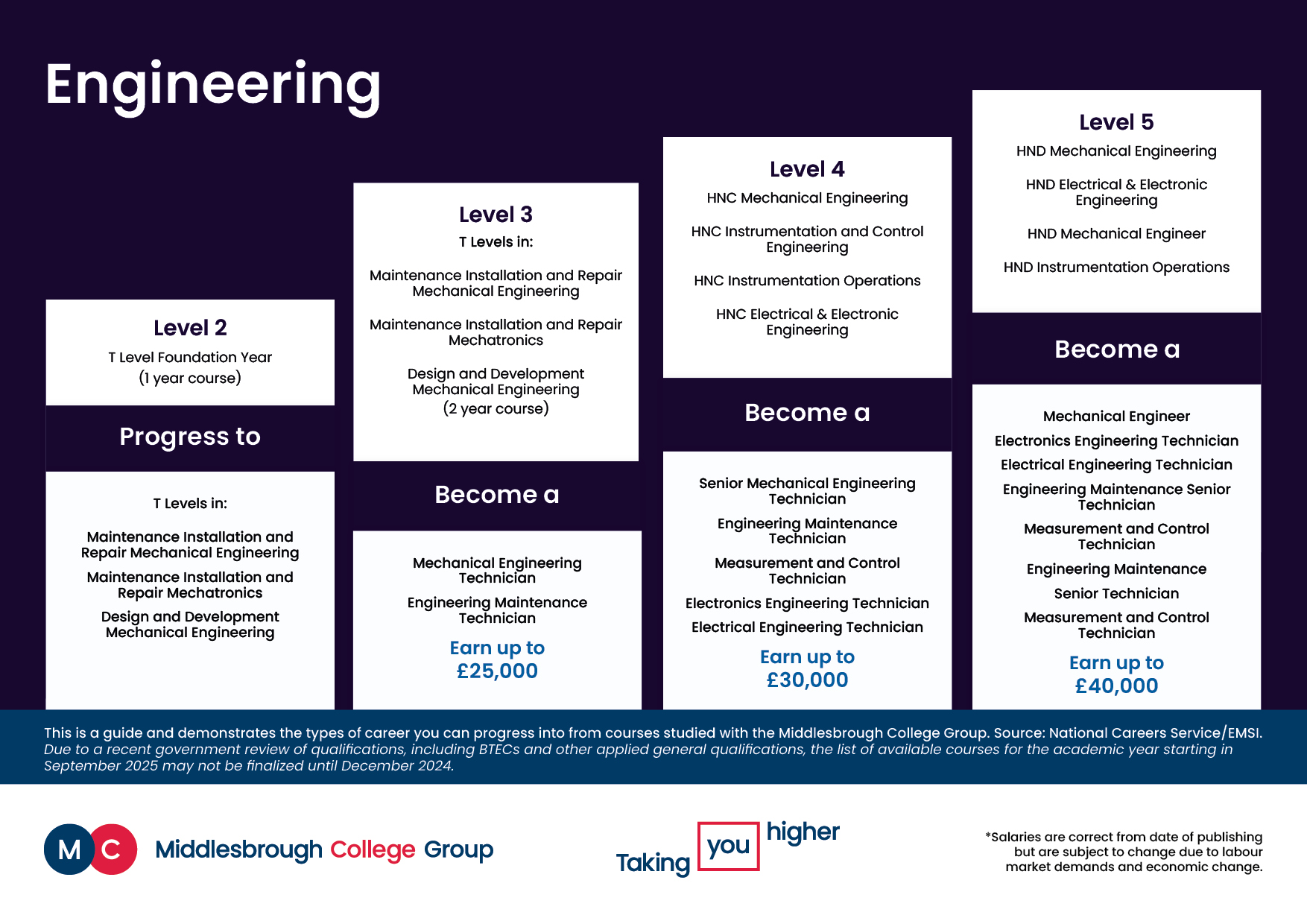
Where your course can lead
Employers we work with