Are you driven by compassion and a desire to make a real impact in people’s lives? A career in nursing or midwifery could be your calling. Our specialised nursing and midwifery courses are designed to equip you with the clinical expertise, experience, and confidence needed to thrive in these vital professions.
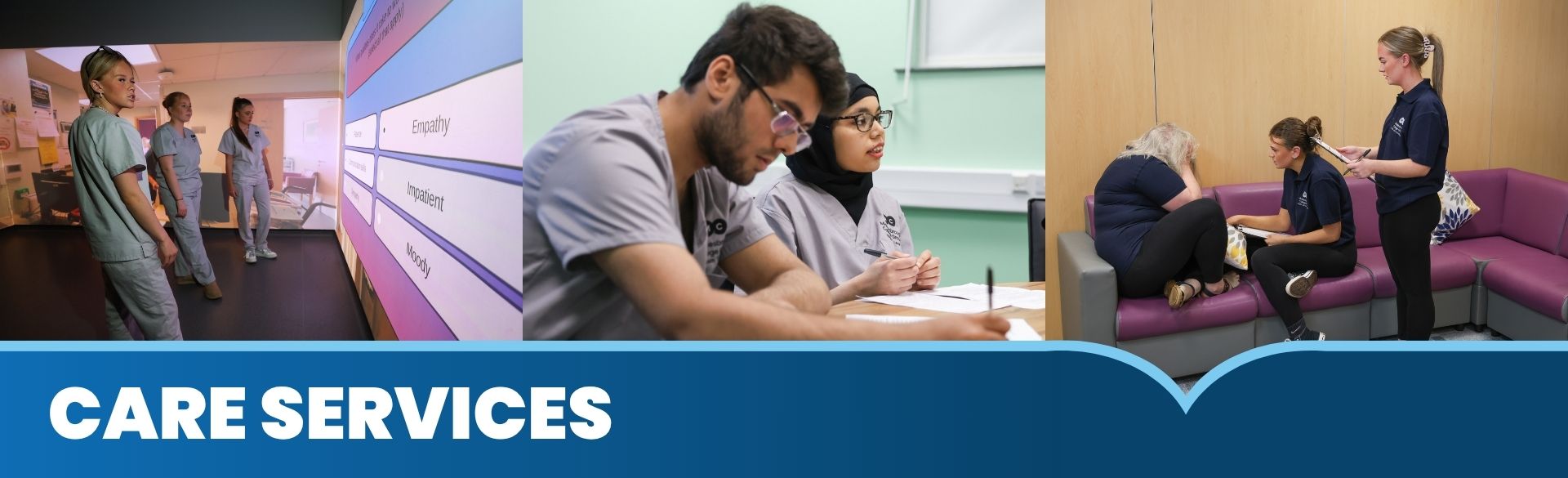
Train in our cutting-edge £7 million Immersive Health and Social Care Education Suite, where simulation-based learning brings real-world scenarios to life. Whether you’re supporting patients in hospitals, delivering care in the community, or guiding new life into the world as a midwife, you’ll be part of a workforce that’s respected, essential, and deeply rewarding.
Join a sector full of opportunity, from the NHS and private healthcare to humanitarian organisations and residential care settings.
Health and Social Care Pathways Explained
Adult nurses care for people aged 18 and over who are ill, injured, or recovering from surgery. They work in hospitals, GP surgeries, care homes, and in the community. It’s a rewarding job that needs kindness, good communication skills, and a strong desire to help others.
As you gain experience and qualifications, you can move into different roles:
- Registered Adult Nurse – Working in hospitals, clinics, or in the community.
- Specialist Nurse – Focusing on areas like cancer care, diabetes, or intensive care.
- District Nurse – Visiting and caring for patients in their homes.
- Practice Nurse – Working in GP surgeries, helping with routine care and advice.
Midwives support women through one of the most important times in their lives; pregnancy, birth, and early parenthood. They provide care during pregnancy, assist with labour and delivery, and offer support after the baby is born. Midwives work in hospitals, birth centres, and in the community, often visiting families at home.
Once qualified, you can choose from a range of roles, including:
- Hospital Midwife – Supporting women through labour and birth in a hospital setting.
- Community Midwife – Visiting women at home before and after birth, offering care and advice.
- Specialist Midwife – Focusing on specific areas such as teenage pregnancy, mental health, or high-risk pregnancies.
Mental health nurses care for people experiencing conditions such as anxiety, depression, schizophrenia, eating disorders, and more. They work in hospitals, GP surgeries, mental health clinics, and in the community. Their role includes assessing patients, offering emotional support, giving medication, and working with other professionals to create care plans.
Once qualified, you can choose from a range of roles, including:
- Mental Health Nurse – Supporting patients in hospitals or community settings.
- Crisis Team Nurse – Responding to urgent mental health situations.
- CAMHS Nurse – Working with children and young people in mental health services.
- Specialist Nurse – Focusing on areas like substance misuse, eating disorders, or forensic mental health.
Children’s nurses care for young patients from birth through to adolescence. They support children who are ill, injured, or living with long-term conditions. Alongside medical care, they also provide emotional and practical support to families. Children’s nurses work in a variety of settings, including hospitals, schools, clinics, and in the community.
Once qualified, you can choose from a range of roles, such as:
- Hospital Children’s Nurse – Caring for children on wards, in emergency departments, or in specialist units.
- Community Children’s Nurse – Supporting children and families at home or in schools.
- Neonatal Nurse – Providing care for premature or seriously ill newborn babies.
- School Nurse – Promoting health and wellbeing in school settings.
Emergency care professionals respond to 999 calls and provide life-saving treatment at the scene of accidents, medical emergencies, and other urgent situations. Paramedics are trained to assess patients, give emergency care, and safely transport them to hospital. They usually work in ambulances but may also be part of air ambulance teams or community response units.
Once qualified, you can work in a variety of roles, including:
- Paramedic – Responding to emergencies and providing urgent care on the scene.
- Emergency Care Assistant (ECA) – Supporting paramedics during emergency calls and helping with patient care.
- Ambulance Technician – Providing care and transport for patients in non-life-threatening situations.
- Critical Care Paramedic – Working in air ambulances or trauma teams, dealing with the most serious emergencies.
- Community Paramedic – Supporting patients at home and helping reduce the need for hospital visits.
Social care workers make a real difference in people’s lives, helping them live more independently, safely, and happily. This could mean assisting with personal care, supporting someone with learning difficulties, or working with families who need extra help. It’s a career that calls for patience, empathy, and a genuine desire to support others.
Once you’re qualified, you could take on roles such as:
- Care Worker/Support Worker – Help people with everyday tasks, either in their homes or in care settings.
- Residential Support Worker – Provide care and support for children or adults living in care homes.
- Social Work Assistant – Assist social workers with casework and supporting clients.
Mental health social care workers play a vital role in supporting people with conditions like anxiety, depression, bipolar disorder, and schizophrenia. They help individuals manage everyday life, access essential services, and stay connected to their communities. Support can include emotional guidance, help with housing or benefits, and working closely with healthcare professionals.
Once qualified, you could work in roles such as:
- Mental Health Support Worker – Help people manage their mental health and live independently.
- Residential Support Worker – Support individuals living in supported housing or care homes.
- Community Outreach Worker – Connect people with services and help them stay involved in their community.
- Substance Misuse Worker – Support individuals dealing with drug or alcohol issues.
- Social Work Assistant – Work alongside social workers to support people with complex needs.
Family support workers help families through challenging times, whether they’re dealing with housing issues, money problems, parenting struggles, or health concerns. They work closely with both parents and children, offering emotional support, practical advice, and help accessing services like education, healthcare, and social care.
Once you’re qualified, you could work in roles such as:
- Family Support Worker – Help families access services and improve their wellbeing.
- Early Help Practitioner – Support families early on, before problems become more serious.
- Youth Support Worker – Work with young people facing personal, social, or educational challenges.
- Social Work Assistant – Assist social workers with casework and family support.
- Parenting Advisor/Outreach Worker – Offer guidance and support to parents in the community.
Study in our cutting-edge “mini-hospital”
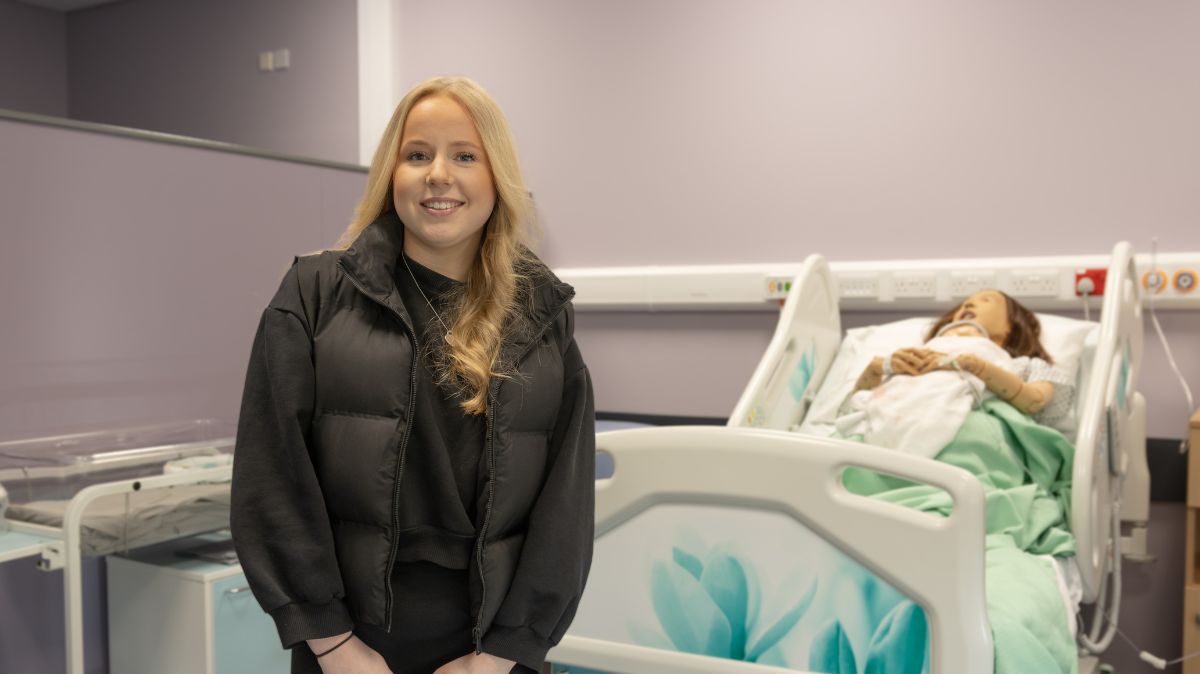
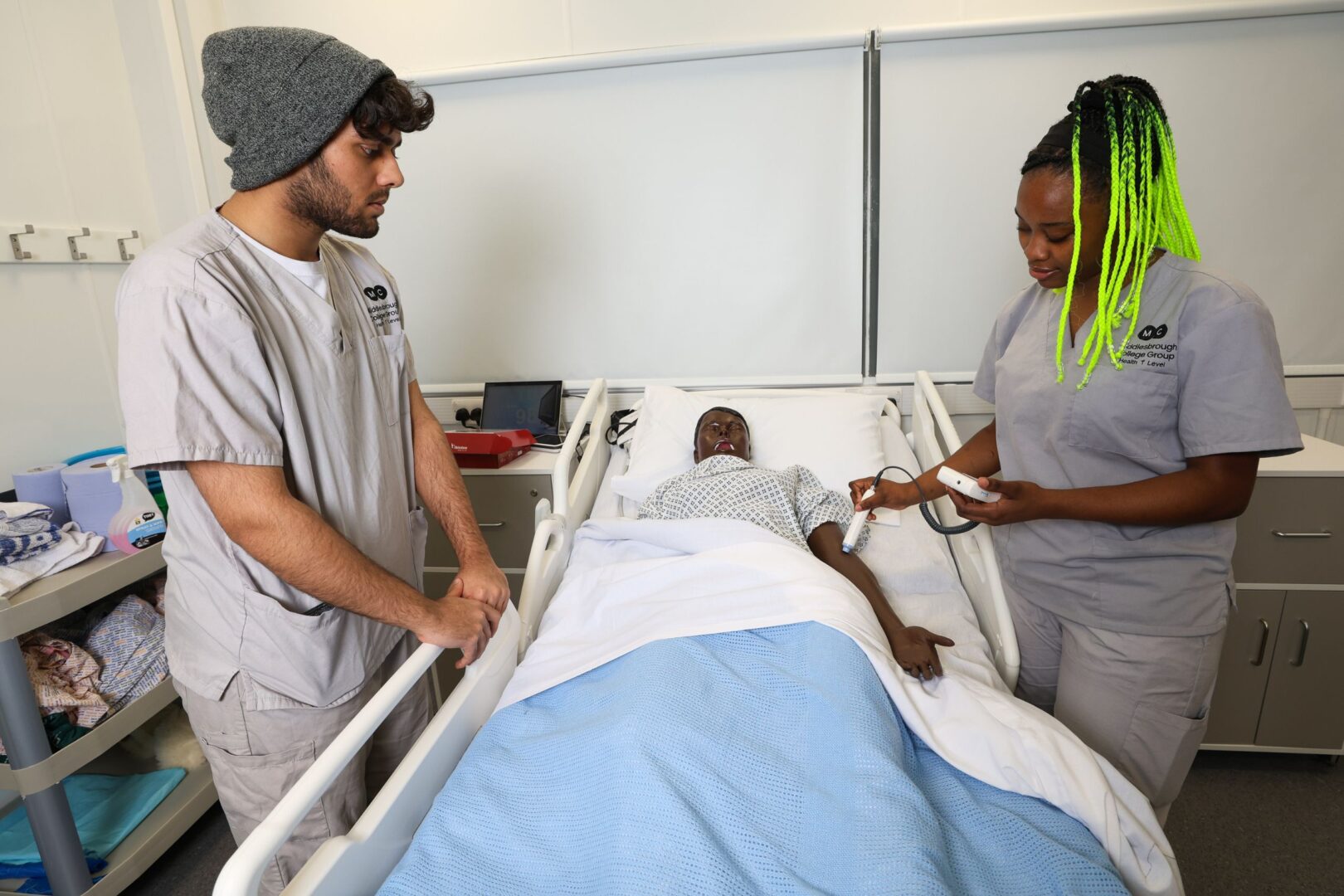
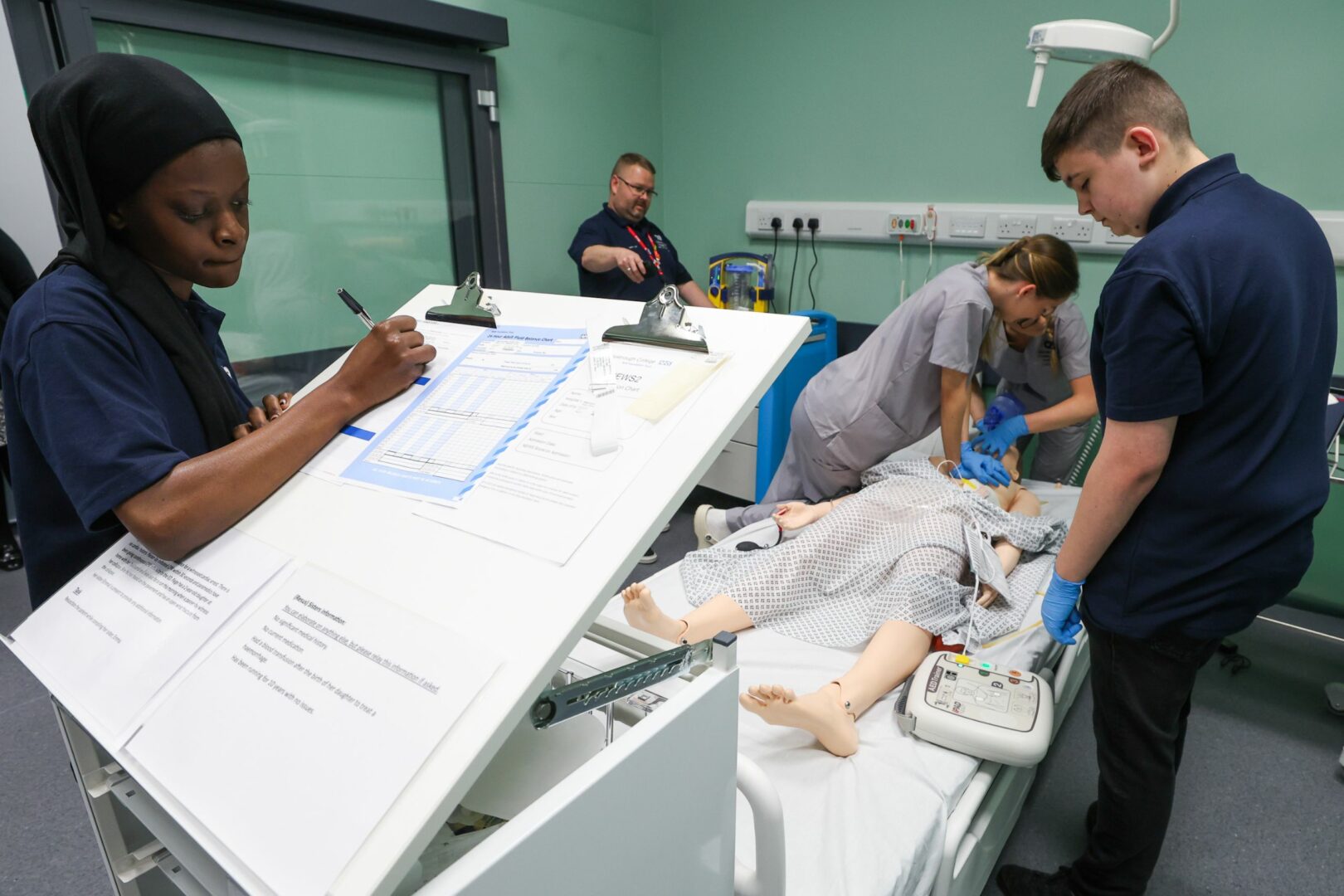
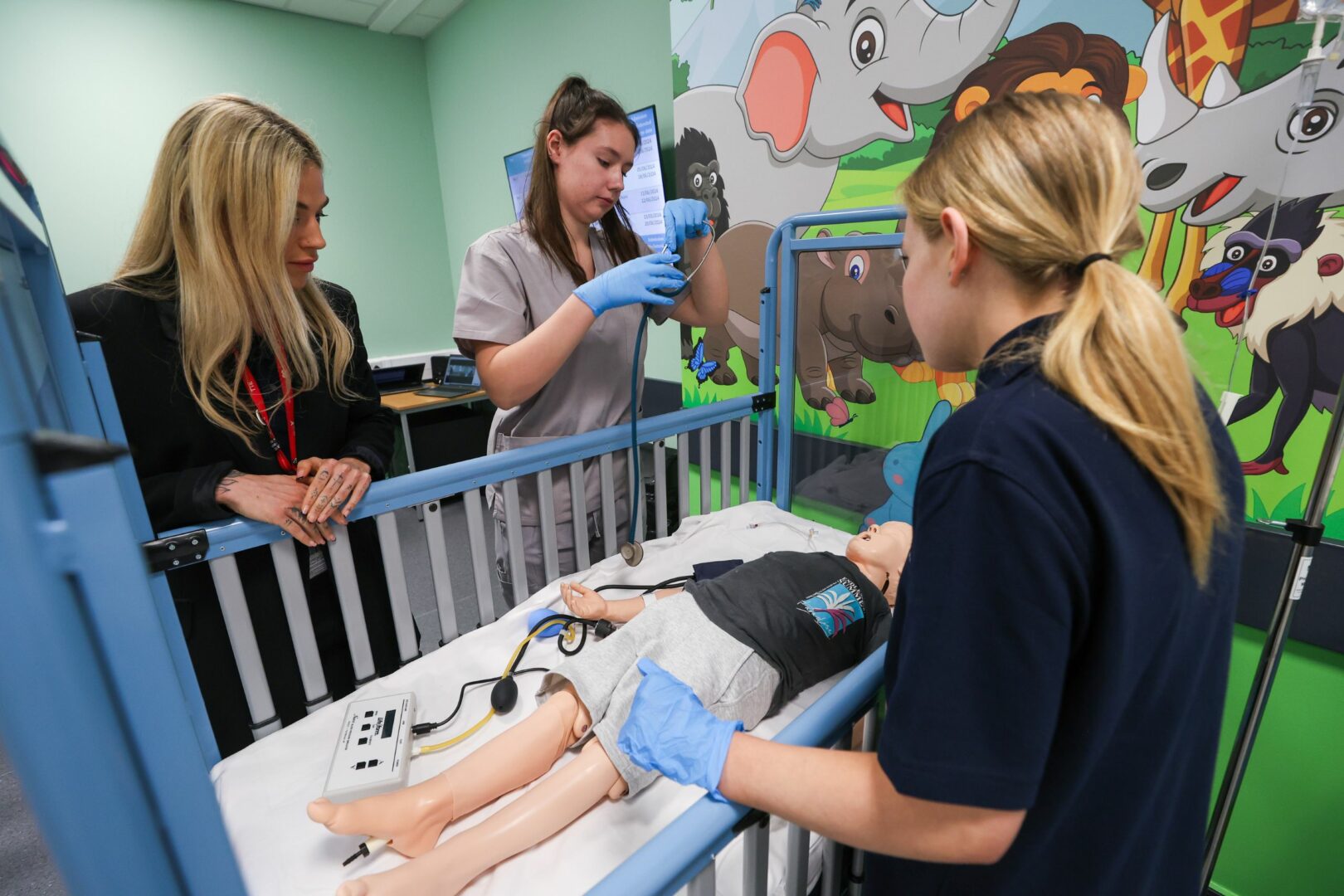
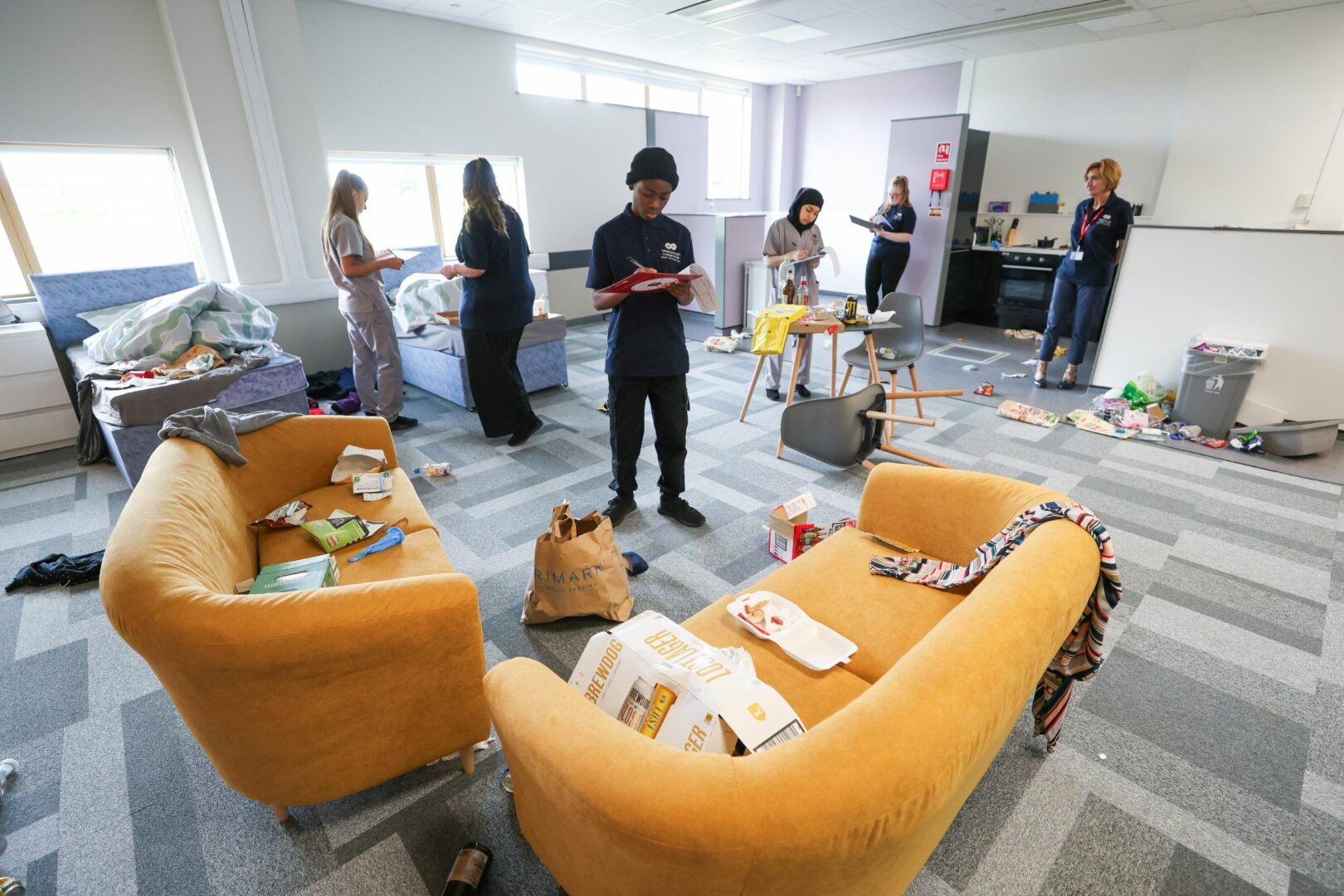
Our Health and Social Care Academy features state of the art educational and healthcare equipment, enabling an innovative, interactive, and hands-on approach to teaching and learning.
Key features include:
- A&E Resus Room and 5-bed ward
- Immersive Suite, that transforms into various real-life settings
- Clinical suite
- Maternity unit, complete with a pregnant manikin and newborn simulator
- Community/Self-contained flat, adaptable to various environments
- Mental Health Ward, equipped with anti-ligature fixtures
- Debrief and Conference Room, a professional space to participate in discussions
Health & Social Care courses
Access to Higher Education Diploma (Health Science Professions) (Day) – Level 3
Access to Higher Education Diploma (Health Science Professions) (Distance Learning) – Level 3
Access to Higher Education Diploma (Health Science Professions) (Evening) – Level 3
BSc (Hons) Health, Wellbeing and Social Care (Top-up) – Full Time – Level 6
Certificate in Higher Education in Health, Wellbeing and Social Care – Full Time – Level 4
CG L3 TOE Dip Professional Practice for Dental Nurses
Dental Nursing Apprenticeship – Level 3
Diploma Introduction to Health and Social Care – Level 1
Where your course can lead

“The health ward facilities have been great, especially the maternity suite where there is a mannequin to practice delivering babies. Within the course, we’ve learned about person-centred care, safeguarding, and how to treat people with varying needs; this has greatly helped with my work placement, and we utilised these skills in our practical sessions at college.”
Freya Hollinshead
Employers we work with