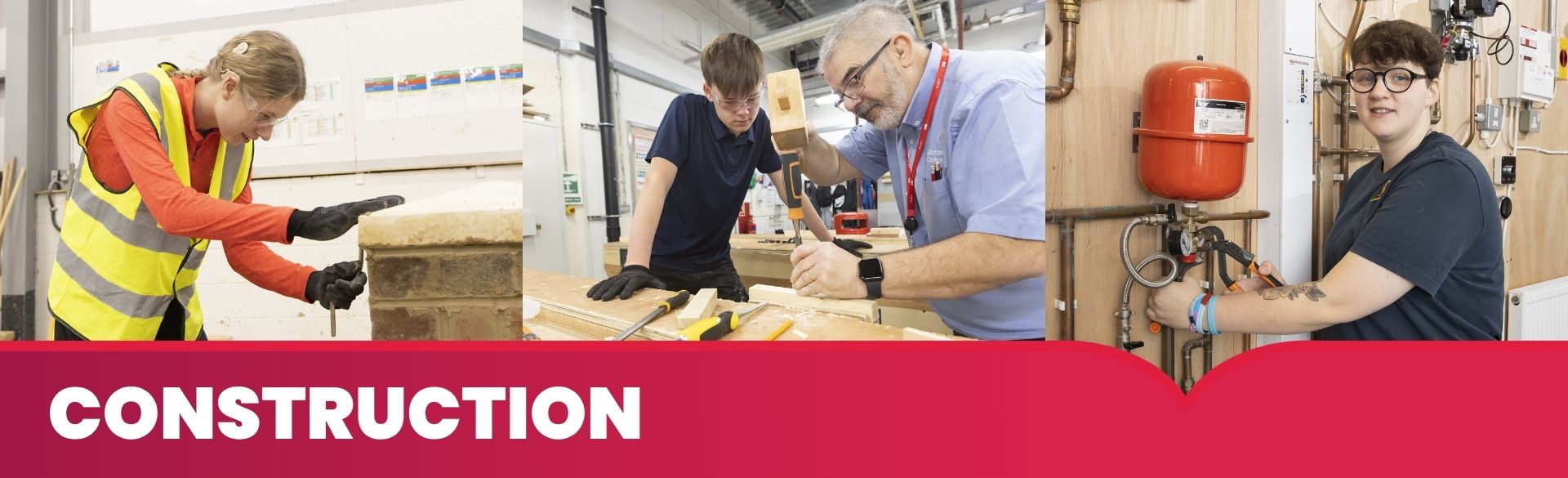
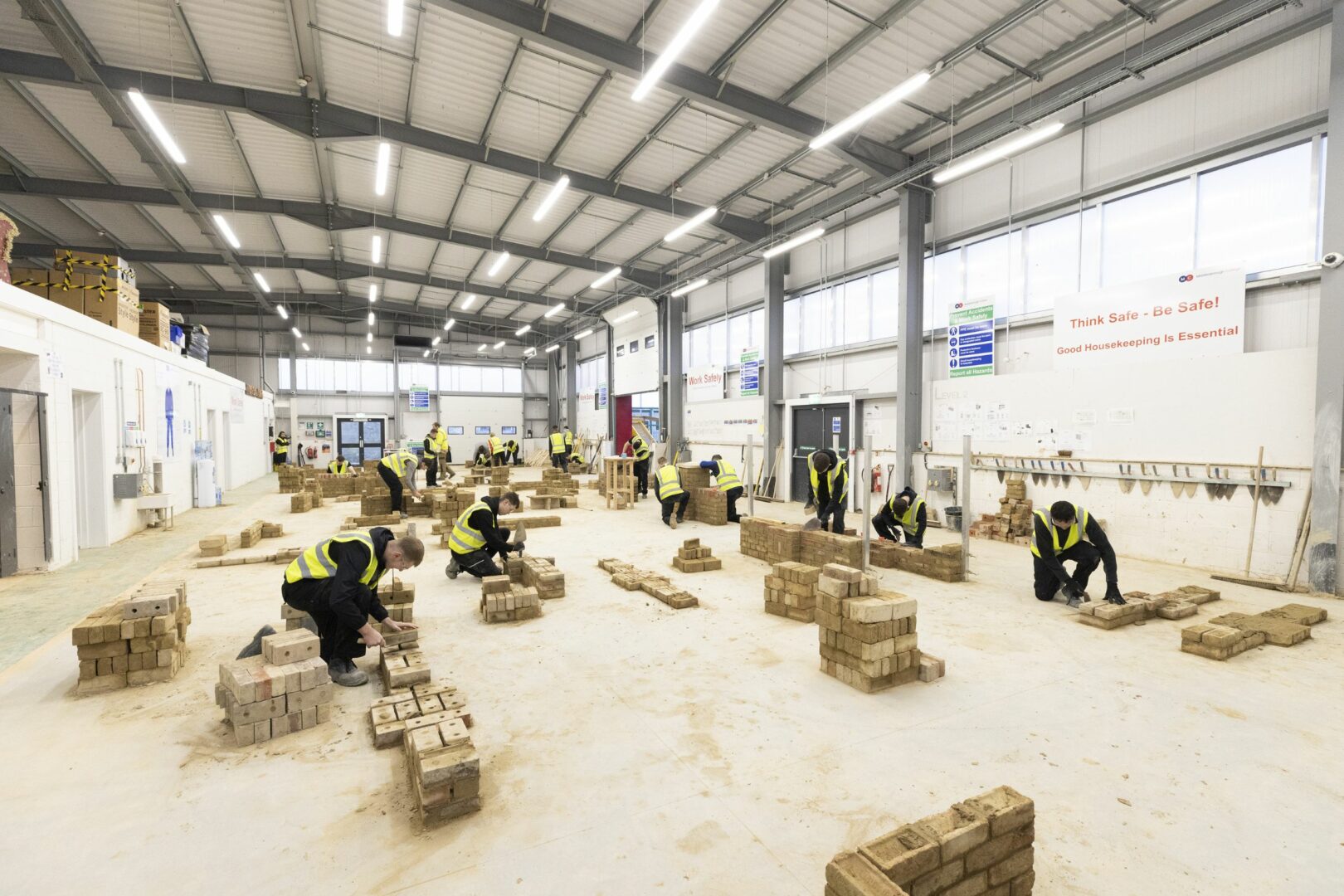
Step into one of the UK’s largest and most dynamic industries with a career in construction. Whether you’re interested in civil engineering, architecture, or traditional trades, our courses offer hands-on learning in state-of-the-art workshops and a fully equipped outdoor construction site.
At Middlesbrough College, you’ll engage in real-world projects that help you develop essential technical, problem-solving, and teamwork skills. Our experienced tutors will guide you through every step, ensuring you’re prepared for the demands of the industry.
You’ll also benefit from access to our Construction Skills Workshop, designed to give you practical experience and prepare you for high-skilled job opportunities. Site visits are a key part of the learning experience, giving you valuable insight into real industry environments and challenges.
To support your learning and safety, all students are provided with free PPE from day one.
Construction Pathways Explained
Brickwork and the Built Environment
Brickwork is about building walls, houses, and other structures using bricks, blocks and mortar. You’ll learn how to lay bricks properly, read building plans, and work safely on construction sites.
The built environment is a broader term that includes everything humans build, like homes, schools, roads, parks, and offices. It covers planning, designing, building, and maintaining these spaces.
If you enjoy working outdoors, using your hands, and seeing real results from your work, this could be a great path for you.
Your course options:
- Basic Construction Skills (Multi Skills) – Entry Level 3
- Construction Trade Occupations – Level 1 *
- Brickwork – Level 1
- Brickwork – Level 3 *
*Must have an Entry Level 3 or Level 1/2 qualification in relevant area
From On-site Facilities to Community Projects
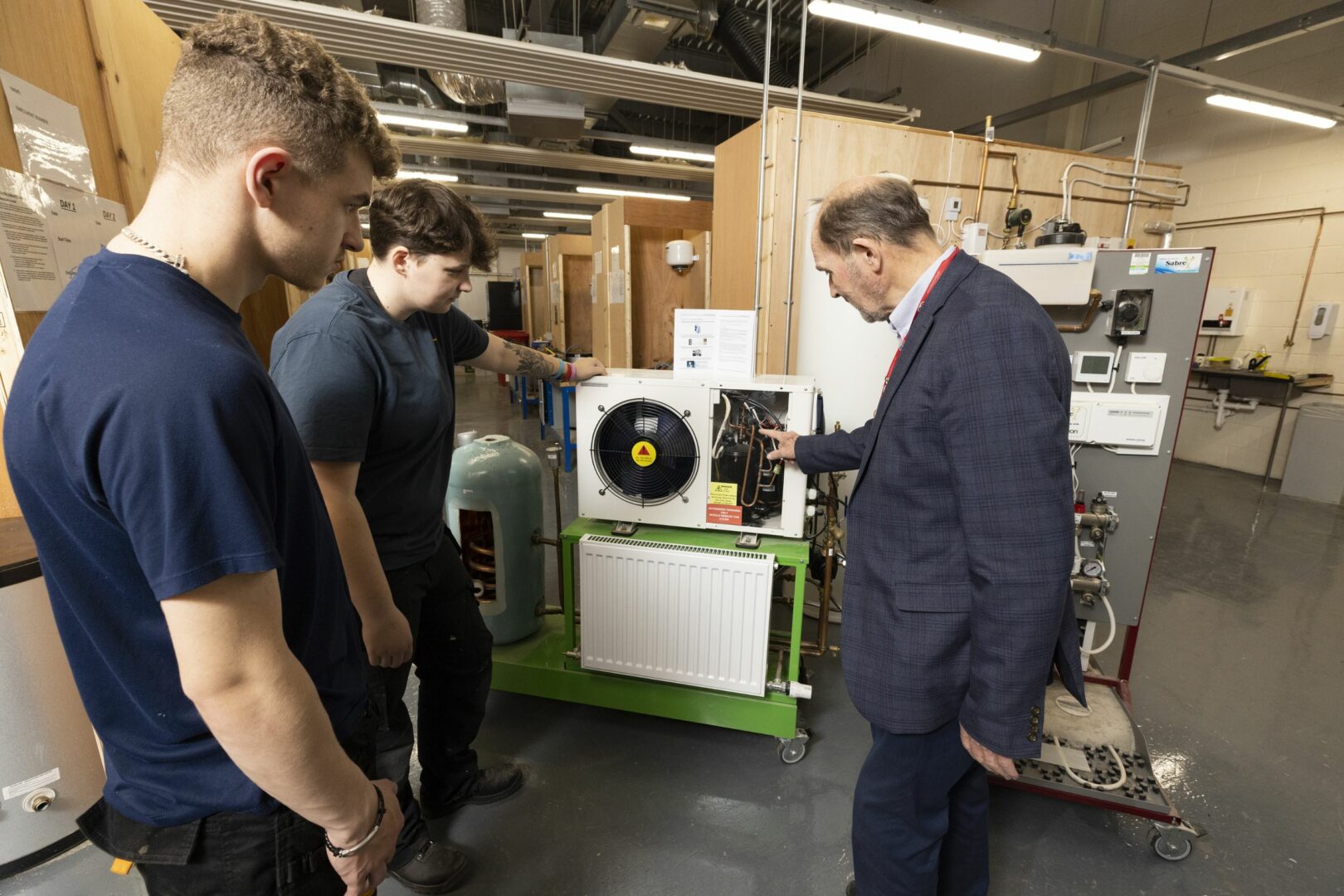
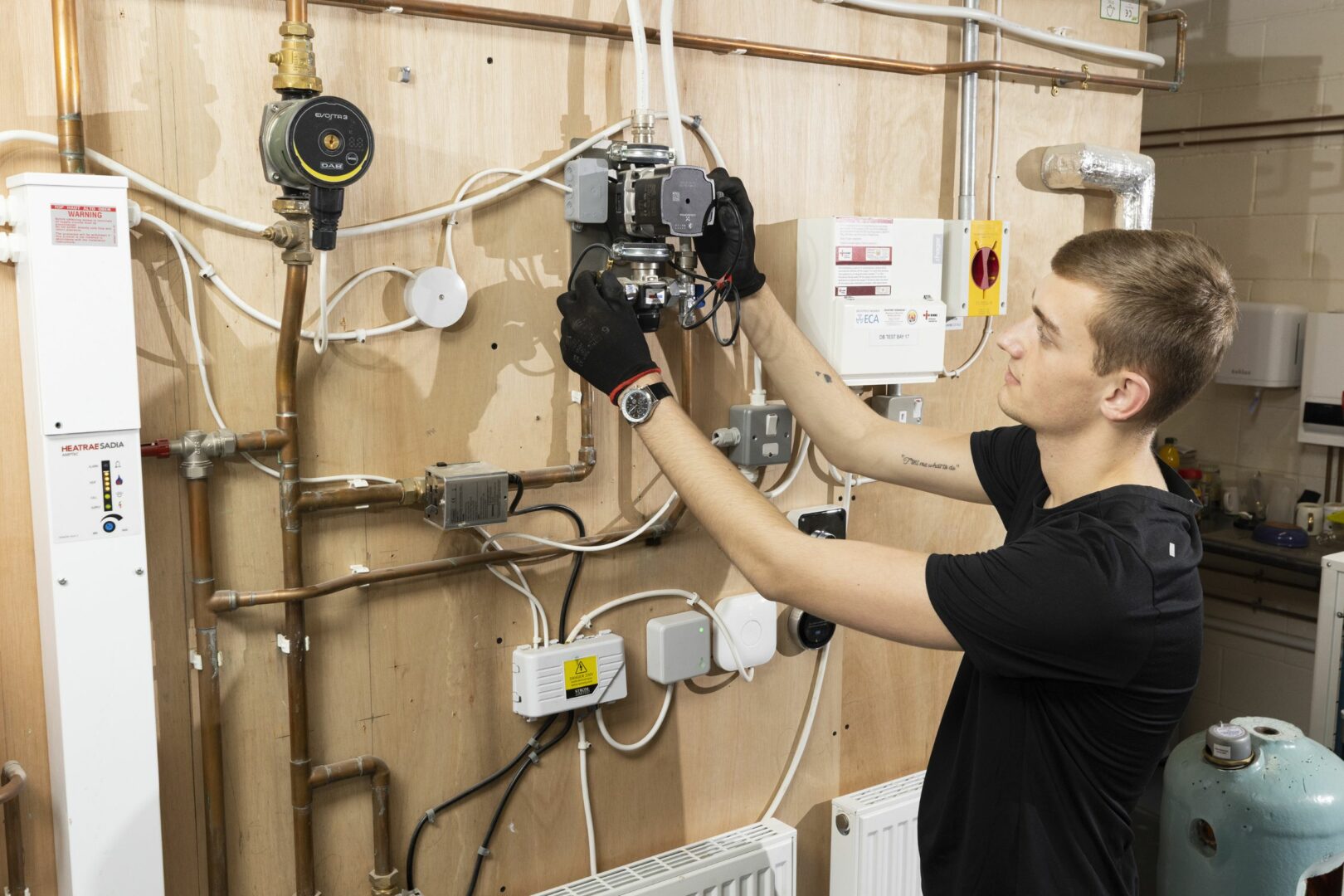
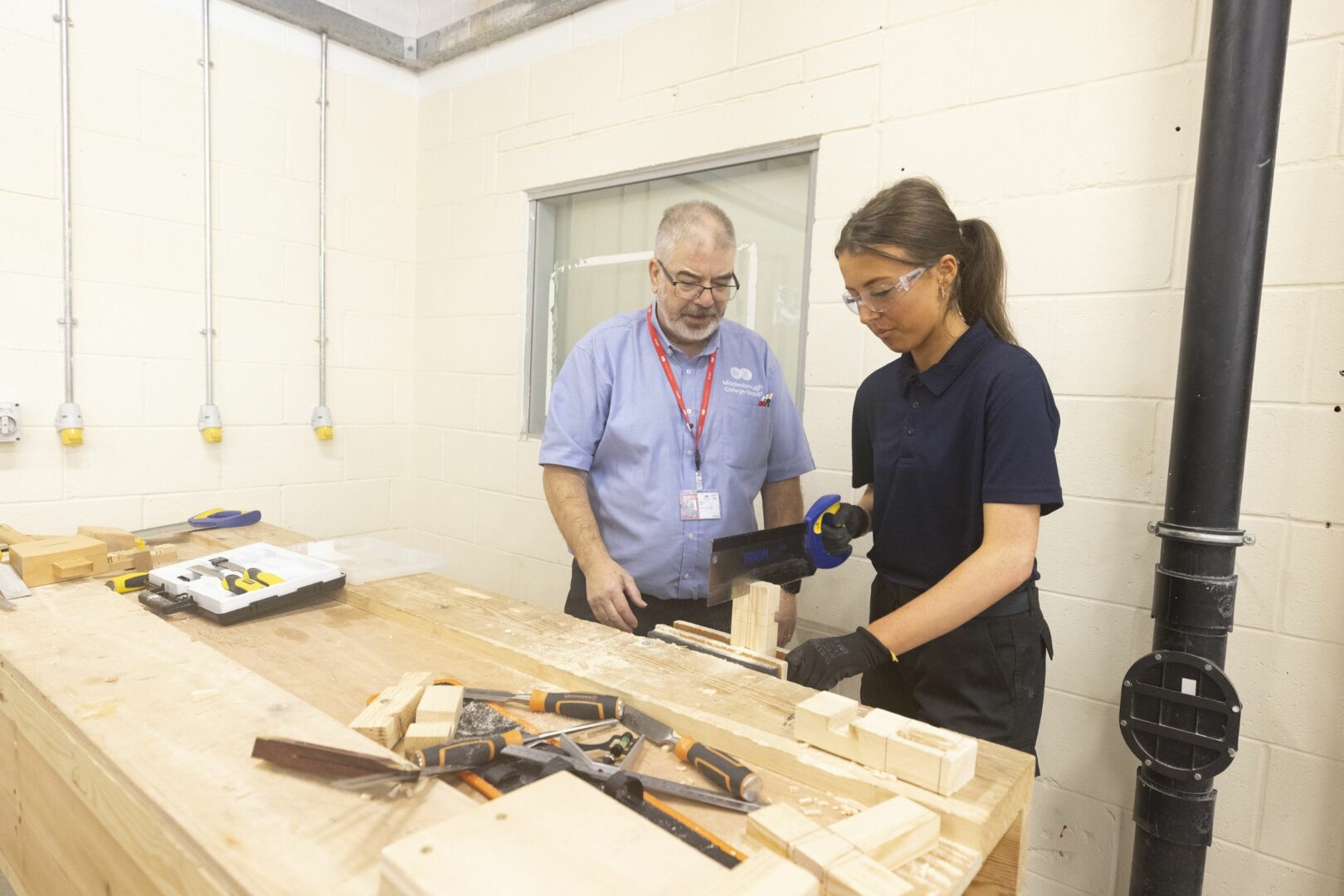
Throughout their studies, students will learn their chosen trade through hands-on training in our on-site facilities. These include our outdoor construction yard, as well as dedicated workshops for joinery, electrical, and plumbing. Most of the course takes place in these practical environments, allowing students to build real-world skills and confidence in their trade.
Students also have the opportunity to apply their skills beyond the classroom through community action projects in the local area. Previous students supported the 40th Middlesbrough Scouts by completing a series of essential repairs and upgrades. Their work included rebuilding steps, extending a fire escape platform, and enhancing campfire and cooking facilities.
Joinery students have also contributed to creative and charitable projects, such as constructing a gallery space for the MyPlace Amphitheatre. Another group supported Whitby Animal Sanctuary by clearing a compound and building a shelter for two rescued baby fauns.
Our Construction courses
ABBE Level 3 Certificate in Domestic Energy Assessment
Professional Training
Adult Learner
ABBE
|
Age Group(19+)
Advanced Technical in Plumbing – Level 3
Construction
School Leaver
|
1 year
City & Guilds
|
Age Group(16-18)
School Leaver
|
1 year
City & Guilds
|
Age Group(16-18)
Bricklayer Apprenticeship – Level 2
Construction
Apprenticeship
|
14 months
City & Guilds
Brickwork – Level 1
Construction
School Leaver
|
1 year
City & Guilds
|
Age Group(16-18)
Brickwork – Level 3
Construction
School Leaver
|
1 year
City & Guilds
|
Age Group(16-18)
Carpentry and Joinery – Level 1
Construction
School Leaver
|
1 year
City & Guilds
|
Age Group(16-18)
Carpentry and Joinery Apprenticeship – Level 2
Construction
Apprenticeship
|
27 months
Apprenticeship
|
36 months
Where your course can lead
Employers we work with